Abstract Scribble Texture Shape Element: A Practical Guide for Modern Design Workflows
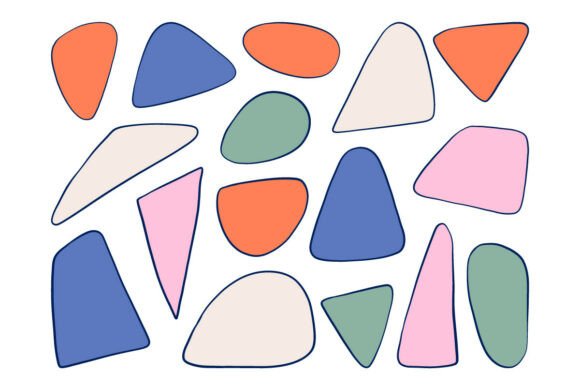
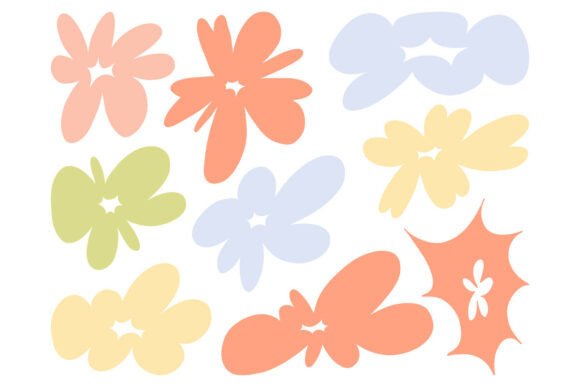
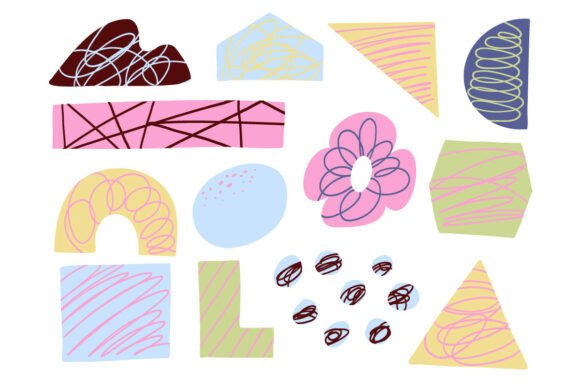
In the landscape of contemporary graphic design, the ability to balance structured geometry with organic expression is a defining skill. The Abstract Scribble Texture Shape Element collection addresses this need by providing a versatile toolkit of geometric and organic forms filled with expressive, hand-drawn textures. These assets are not merely decorative; they are functional components designed to integrate seamlessly into professional workflows, from initial concepting to final production. Whether you are a freelancer managing multiple client brands or an in-house designer creating marketing collateral, understanding how to leverage these elements can significantly streamline your creative process while elevating the visual quality of your output.
Understanding the Role of Abstract Textures in Design Strategy
Before diving into specific applications, it is essential to understand what distinguishes this collection within a broader design strategy. Unlike flat vector shapes that often feel sterile or overly digital, the Abstract Scribble Texture Shape Element introduces depth through dynamic patterns, loops, and bold lines. This texture mimics the tactile quality of physical media, adding a layer of human connection to digital compositions. In a workflow context, these elements serve as bridges between rigid layout grids and freeform artistic expression.
When planning a project, designers often face the challenge of maintaining brand consistency while avoiding visual monotony. Standard stock photos or generic icons can sometimes fail to capture the unique personality of a brand. By incorporating scribble textures, you introduce a variable that feels curated and intentional. This approach fits naturally into the "exploration" phase of a project, where mood boards and style tiles are created. It allows teams to test different levels of visual energy before committing to a full layout, ensuring that the final aesthetic aligns with the project's strategic goals.
Integration into Pre-Production and Planning Phases
The utility of these shape elements extends well beyond the execution phase. During the pre-production stage, specifically when developing brand guidelines or presentation decks, these assets can be used to establish tone. For instance, if a client requires a modern yet approachable identity, using abstract scribbles in early mockups can communicate a sense of creativity and flexibility without needing extensive custom illustration work.
Consider the workflow of a marketing team preparing a campaign launch. Before finalizing ad creatives, the team might use these SVG files to create rapid prototypes. Because the files are scalable, they can be resized instantly to fit various dimensions—from social media stories to large-format posters—without losing resolution. This efficiency allows marketers to focus on messaging and composition rather than getting bogged down in asset creation. Furthermore, the mix of structured and freeform designs supports flexible compositions, enabling quick iterations during brainstorming sessions. If a concept needs to shift from minimal to expressive, swapping a solid shape for a textured scribble element can immediately alter the perceived vibe of the design.
Execution: Building Layered Visuals and Compositions
Once the planning phase is complete, the actual implementation of the Abstract Scribble Texture Shape Element becomes central to the design execution. The primary advantage of this collection lies in its ability to facilitate layered visuals. In professional design software, such as Adobe Illustrator or Photoshop, these elements act as building blocks that interact dynamically with typography, photography, and other graphical components.
A practical method for utilizing these assets involves the "foreground-background" technique. By placing a bold, textured shape behind text, you create a focal point that draws the eye without obscuring readability. The hand-drawn lines and loops add visual interest that prevents the background from feeling empty, yet they remain subtle enough to let the content shine. This is particularly effective for posters and landing pages where hierarchy is crucial.
Moreover, the collection's variety of geometric and organic forms allows for complex compositions that still feel cohesive. You can combine a rigid square with a fluid, looping scribble to create tension and movement. This interplay guides the viewer's eye across the page, a critical factor in user experience (UX) design and print advertising. When working on branding materials, such as business cards or packaging, these textures can be used to frame logos or highlight key information, adding a premium, artisanal feel to mass-produced items.
Technical Compatibility and File Management
Efficiency in a design workflow is heavily dependent on file compatibility and organization. This collection is engineered to support a wide range of professional tools and platforms, ensuring that technical hurdles do not slow down production. The inclusion of SVG files is particularly significant for web and digital designers. SVGs are vector-based, meaning they scale infinitely without pixelation. This makes them ideal for responsive web design, where graphics must adapt to various screen sizes. Additionally, SVGs allow for direct editing of stroke widths, colors, and individual paths, giving designers granular control over the final look.
For those working in raster-based environments or requiring transparency for overlays, the provided PNG files with transparent backgrounds offer immediate usability. These are perfect for drag-and-drop workflows in tools like Canva, PowerPoint, or Figma, where quick assembly is prioritized over deep vector manipulation. The EPS files cater to high-end print production, ensuring that the intricate details of the scribble textures remain crisp when printed at large scales. Finally, the JPG previews facilitate easy sharing with clients and stakeholders who may not have access to design software, streamlining the approval process.
From an organizational standpoint, having all these formats neatly packaged reduces the time spent searching for compatible assets. Designers can maintain a consistent library of resources, knowing that the same visual element can be deployed across digital ads, print brochures, and social media posts without reformatting issues. This consistency is vital for long-term brand management and helps maintain quality control across different mediums.
Practical Workflow Examples for Different Roles
To illustrate the versatility of the Abstract Scribble Texture Shape Element, consider how different professionals might integrate it into their daily routines:
- Freelance Graphic Designers: Use these assets to speed up proposal presentations. Instead of spending hours creating custom illustrations for every pitch, a designer can quickly assemble a compelling visual narrative using these textures to demonstrate style and capability.
- Social Media Managers: Incorporate the PNG files into weekly content calendars. The vibrant color palette and playful textures help posts stand out in crowded feeds, increasing engagement rates without requiring advanced design skills.
- Educators and Content Creators: Utilize the shapes to break up text-heavy slides or infographics. The organic nature of the scribbles makes educational content feel less rigid and more engaging for students or audiences.
- Small Business Owners: Apply these elements to DIY marketing materials. With the ease of combining and arranging the shapes, entrepreneurs can create professional-looking flyers and banners that compete with larger agencies.
Ensuring Consistency and Long-Term Value
While the immediate benefit of these assets is visual enhancement, their long-term value lies in establishing a consistent visual language. By adopting a specific set of textures and shapes as part of a brand's standard toolkit, organizations ensure that all communications share a unified aesthetic. This consistency builds recognition and trust with the audience.
However, successful integration requires mindful application. Overuse of textures can lead to visual clutter, undermining the clarity of the message. It is important to treat the Abstract Scribble Texture Shape Element as an accent rather than the sole focus. Balancing these expressive forms with ample white space and clean typography ensures that the design remains legible and sophisticated. Regularly reviewing how these elements perform across different campaigns can also inform future design decisions, allowing teams to refine their usage based on audience response.
Ultimately, the decision to incorporate these abstract shapes is a strategic one. They offer a solution to the common problem of balancing professionalism with personality. By fitting seamlessly into existing workflows and offering robust technical compatibility, this collection empowers creators to produce high-quality, impactful designs efficiently. Whether you are refining a logo, designing a website, or planning a marketing campaign, these elements provide the necessary tools to execute your vision with precision and flair.