Mushroom Line Art Pattern Borders: A Strategic Asset for Visual Branding
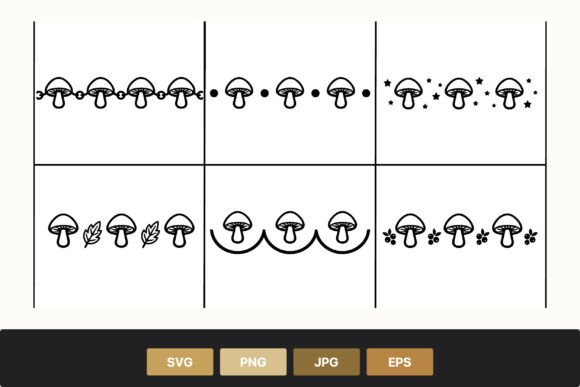
In the competitive landscape of digital and print design, the choice of visual assets often dictates the perceived professionalism of a brand. Mushroom Line Art Pattern Borders represent more than just decorative flourishes; they are strategic tools that can define the aesthetic tone of a project with precision. These six black and white line art patterns, featuring mushrooms combined with dots, leaves, stars, and curved lines, offer a clean and minimalist approach to framing content. For entrepreneurs, marketers, and creators, understanding how to deploy these specific design elements is crucial for maintaining brand consistency and enhancing user engagement without overwhelming the core message.
The strategic value of these borders lies in their versatility and restraint. Unlike complex illustrations that demand attention, line art patterns function as subtle guides, directing the viewer's eye while establishing a cohesive visual language. When integrated thoughtfully, Mushroom Line Art Pattern Borders can elevate a simple document into a polished publication or transform a basic website layout into an immersive experience. The decision to use these assets should never be arbitrary; it must align with broader communication goals and the specific needs of the target audience.
The Role of Minimalism in Modern Design Strategy
Minimalism has evolved from a fleeting trend into a fundamental principle of effective communication. In an era where audiences are bombarded with information, clarity is a premium asset. The Mushroom Line Art Pattern Borders provided in this collection adhere strictly to minimalist principles, utilizing negative space and simple geometry to create impact. This approach is particularly beneficial for professionals who need to convey authority and sophistication without relying on heavy imagery or vibrant color palettes that may not translate well across all media.
For small business owners and freelancers, the ability to maintain a high-end look with limited resources is essential. These black and white patterns provide a neutral foundation that works seamlessly with any color scheme. By stripping away unnecessary details, the focus remains on the content—whether it is a marketing brochure, an educational worksheet, or a product label. The inclusion of organic elements like leaves and mushrooms alongside geometric shapes such as dots and stars creates a balance between nature and structure. This duality appeals to a wide demographic, making the designs suitable for industries ranging from wellness and education to technology and lifestyle branding.
Enhancing Brand Positioning Through Consistent Motifs
Brand positioning is heavily influenced by the consistency of visual cues. When a brand repeatedly uses specific motifs, such as the mushroom and star combinations found in these patterns, it builds recognition and trust. Mushroom Line Art Pattern Borders serve as a signature element that can unify disparate touchpoints. Imagine a series of social media posts, email newsletters, and printed stationery all framed by the same elegant border. This repetition creates a subconscious association in the mind of the consumer, reinforcing the brand identity over time.
However, consistency requires intentionality. Simply applying a border to every document can lead to visual fatigue if the context does not support it. Strategic application involves selecting the right pattern for the right purpose. For instance, a border featuring prominent stars might be ideal for promotional materials celebrating achievements or awards, while a pattern dominated by flowing curved lines and leaves could better suit educational content focused on growth and development. Understanding the narrative each pattern tells allows decision-makers to align visual assets with specific campaign objectives.
Technical Flexibility and Workflow Efficiency
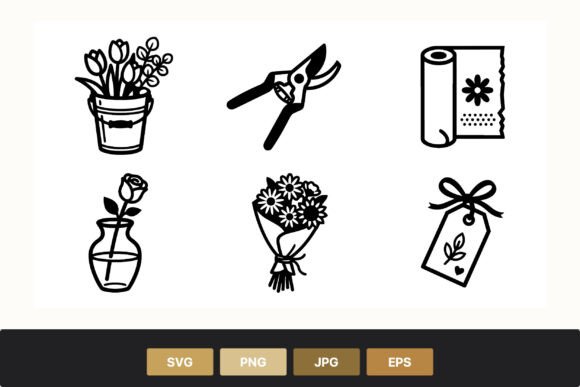
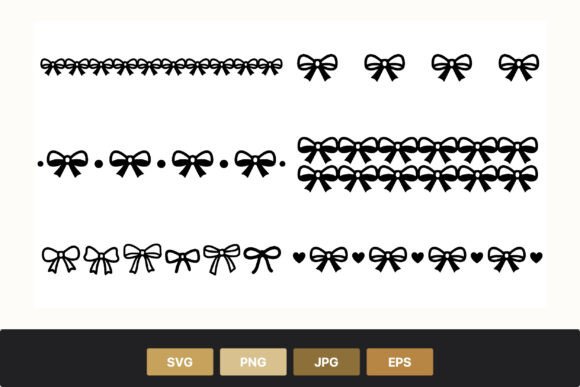
One of the most significant advantages of this design package is its technical versatility. The download is provided as a compressed ZIP file containing multiple file formats: SVG, PNG, EPS, and JPG. This variety is not merely a convenience; it is a critical component of a robust production workflow. Each format serves a distinct purpose, ensuring that the Mushroom Line Art Pattern Borders can be utilized effectively across various platforms and production requirements.
- SVG (Scalable Vector Graphics): Ideal for web designers and developers who require crisp graphics at any resolution. SVG files allow for direct editing of paths and colors, enabling customization to match specific brand guidelines without losing quality.
- PNG (Portable Network Graphics): Perfect for digital applications requiring transparency. Marketers can overlay these borders on photos or colored backgrounds without dealing with unsightly white boxes, ensuring a seamless integration into social media graphics or web banners.
- EPS (Encapsulated PostScript): The standard for professional print design. Graphic designers working in Adobe Illustrator or InDesign will find EPS files essential for high-resolution printing, ensuring that the intricate details of the line art remain sharp on large-format posters or packaging.
- JPG (Joint Photographic Experts Group): Useful for quick previews, presentations, or situations where file size is a constraint. While not editable, JPGs ensure compatibility with almost any software or device.
This multi-format approach reduces friction in the creative process. Teams no longer need to spend valuable time converting files or compromising on quality. Instead, they can immediately select the appropriate format for their specific task, accelerating project timelines and allowing more time for strategic planning and content creation.
Decision-Making Framework for Asset Integration
Before integrating Mushroom Line Art Pattern Borders into a project, it is vital to conduct a brief audit of the current visual strategy. Ask yourself: Does this border support the message? Will it distract from the call to action? Is the style consistent with the rest of the brand ecosystem? These questions help prevent the common pitfall of using decorative elements purely for aesthetic reasons without considering their functional impact.
Consider the medium of delivery. A border that looks sophisticated on a printed menu might appear cluttered on a mobile screen if the lines are too dense. The scalable nature of the vector files helps mitigate this risk, but the initial selection of the pattern must account for the viewing environment. For example, simpler patterns with fewer elements are often more effective for digital interfaces where screen real estate is limited, while more complex arrangements with stars and leaves can fill larger spaces in print layouts without looking sparse.
Risks of Unintentional Usage
While these design assets offer significant benefits, there are risks associated with their misuse. The primary danger lies in treating them as generic fillers rather than intentional design choices. Randomly applying Mushroom Line Art Pattern Borders to documents can result in a disjointed visual identity that confuses the audience. If a brand uses a whimsical, star-filled border for a serious financial report, the mismatch undermines credibility and suggests a lack of attention to detail.
Furthermore, over-reliance on pre-made assets can stifle creativity. While templates and stock patterns accelerate production, they should not replace original thinking. The goal is to use these borders as a foundation upon which unique content is built, not as a substitute for a comprehensive design strategy. Creators must ensure that the addition of these patterns enhances the overall composition rather than dominating it. The line art should frame the content, not compete with it.
Another consideration is copyright and licensing. While this specific package provides flexible usage rights, users must always verify the terms of use for any external assets. Ensuring compliance protects the business from legal complications and maintains professional integrity. Always review the license agreement included with the ZIP file to understand the scope of permitted use, especially for commercial projects involving rebranding or resale.
Long-Term Value and Operational Impact
Investing in high-quality, versatile design assets like Mushroom Line Art Pattern Borders yields long-term operational benefits. By having a library of reliable, customizable elements, teams can maintain brand consistency even when personnel changes occur. New team members can quickly access these standardized assets and apply them correctly, reducing the learning curve and minimizing errors in output.
Moreover, the scalability of these designs ensures longevity. As a business grows and expands into new markets or mediums, the ability to adapt these patterns to different sizes and formats becomes invaluable. Whether scaling up for a billboard or down for a business card, the vector-based nature of the SVG and EPS files guarantees that the brand remains sharp and professional. This adaptability future-proofs the visual identity, allowing it to evolve alongside the organization without requiring a complete overhaul of design resources.
In conclusion, Mushroom Line Art Pattern Borders are a powerful tool for anyone seeking to enhance their visual communication strategy. Their clean, minimalist aesthetic, combined with technical flexibility and thematic depth, makes them suitable for a wide range of applications. However, their true value is realized only when used with clear intent and strategic foresight. By carefully selecting the right pattern for the right context and leveraging the available file formats effectively, creators and businesses can achieve superior results, foster stronger brand recognition, and deliver a more polished customer experience. The key lies not just in having the assets, but in knowing how to wield them to support broader organizational goals.