Funeral Scene with Grieving Family Around: Strategic Visual Communication in Sensitive Contexts
In the realm of visual communication, few subjects require as much nuance, empathy, and strategic precision as the depiction of mourning. The concept of a Funeral Scene with Grieving Family Around is not merely an artistic subject; it is a powerful communicative tool used across publishing, memorial services, grief counseling resources, and heritage branding. When executed with intention, such imagery serves as a bridge between raw human emotion and professional presentation, allowing creators to address loss with dignity rather than sensationalism.
For entrepreneurs, educators, and content creators, understanding how to leverage this specific visual motif requires more than aesthetic judgment. It demands an awareness of cultural sensitivity, audience psychology, and the strategic goals of the project at hand. Whether you are designing a brochure for a funeral home, illustrating a chapter in a novel about loss, or creating educational materials on bereavement, the way you frame a grieving family can significantly impact how your message is received.
The Strategic Value of Empathetic Imagery
Visuals are processed faster than text, and emotional cues are interpreted instantly. A well-composed image of a Funeral Scene with Grieving Family Around does more than fill space; it sets the tonal foundation for the entire piece of content. In marketing and branding, particularly for businesses in the end-of-life care sector, trust is the primary currency. Potential clients are often vulnerable, seeking reassurance, professionalism, and compassion.
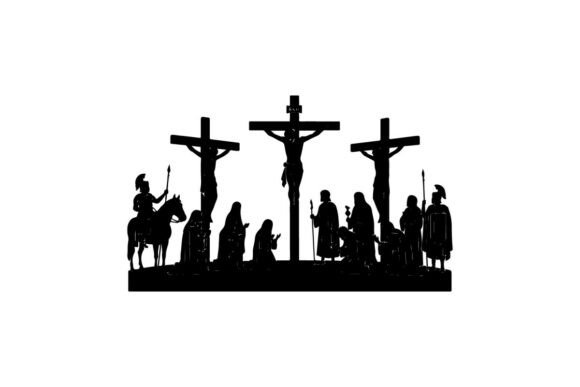
When you utilize high-quality silhouette clip art or detailed illustrations of mourning families, you signal that you understand the gravity of the situation. Clean, modern silhouettes, such as those featuring bold forms and clean lines, offer a distinct advantage here. They abstract the specific identities of the individuals, making the scene universally relatable while maintaining a respectful distance. This abstraction prevents the viewer from focusing on specific facial expressions, which can sometimes be misinterpreted, and instead focuses attention on the collective experience of support and unity.
From a decision-making perspective, choosing the right visual asset helps align your brand with values of stability and care. It transforms a potentially distressing subject into one of communal strength and dignified remembrance. This shift is crucial for long-term customer relationships and brand loyalty in sensitive industries.
Choosing the Right Visual Style: Realism vs. Silhouette
One of the most critical decisions a creator must make is selecting the appropriate artistic style. Photorealistic images can be powerful but carry higher risks. They may inadvertently evoke specific cultural or religious associations that do not align with your target audience, or they may appear too intrusive. Conversely, the use of elegant silhouette clip art provides a versatile, modern alternative that mitigates these risks.
Silhouettes, characterized by their simplified structures and lack of internal detail, allow for greater flexibility. They are inherently inclusive, representing the archetype of grief rather than a specific demographic. This makes them ideal for multi-purpose applications, from digital banners to printed memorial cards. The clean edges and scalable nature of vector-based silhouettes ensure that the visual integrity remains intact regardless of size, a practical consideration for professionals who need assets that perform well across various media.
Moreover, silhouettes facilitate easier customization. You can adjust colors to match brand guidelines or thematic requirements without losing the essential form. For instance, a soft gray might convey solemnity, while a warm sepia tone could suggest nostalgia and heritage. This level of control enables creators to tailor the emotional resonance of the Funeral Scene with Grieving Family Around to fit specific narrative needs.
Practical Applications Across Industries
Understanding where and how to deploy these visuals is key to maximizing their impact. Below are several strategic use cases where thoughtful integration of mourning imagery can enhance communication and achieve business or educational goals.
- Memorial Service Providers: Funeral homes and cremation services can use these images on websites and brochures to create a welcoming, compassionate atmosphere. The imagery should support text that explains services, emphasizing care and attention to detail.
- Publishing and Literature: Authors and publishers dealing with themes of loss can use cover art or interior illustrations to set the mood. A silhouette of a grieving family can hint at the emotional core of a story without revealing plot specifics, inviting readers to engage with the narrative.
- Grief Counseling and Support Groups: Educational materials, worksheets, and website headers for therapists can benefit from non-threatening, abstract representations of grief. These visuals help normalize the experience of loss, making the content feel accessible and safe.
- Heritage and Genealogy Projects: Individuals documenting family history often need visuals that represent ancestors and past events. Stylized scenes of mourning can add emotional depth to genealogical records, helping descendants connect with the human experiences of their forebears.
In each of these scenarios, the goal is not to dramatize pain but to acknowledge it respectfully. The visual serves as a anchor for the content, ensuring that the tone remains consistent and appropriate.
Risks of Misalignment and Lack of Context
While powerful, the use of a Funeral Scene with Grieving Family Around is not without potential pitfalls. The primary risk lies in misalignment with the surrounding content or audience expectations. Using overly dramatic or dark imagery in a context that calls for hope and renewal can create cognitive dissonance, alienating the viewer. Similarly, employing generic or low-quality clip art can undermine the perceived professionalism of a brand, suggesting a lack of care or attention to detail.
Another consideration is cultural sensitivity. Mourning rituals vary widely across cultures. A visual that accurately represents one tradition may be inappropriate or even offensive in another. Creators must research their target audience and choose imagery that is either culturally specific and accurate, or sufficiently abstract to avoid misrepresentation. Silhouettes often serve this latter purpose well, as they strip away specific cultural markers like clothing or religious symbols, focusing instead on the universal human posture of grief and support.
Furthermore, overuse of such imagery can lead to desensitization. If every piece of content related to loss uses the same visual tropes, the impact diminishes. Strategic variation and thoughtful composition are necessary to keep the communication fresh and engaging.
Technical Considerations for High-Quality Output
To ensure that your visual choices support your strategic goals, technical quality is paramount. Low-resolution images or poorly edited graphics can distract from the message and damage credibility. When selecting assets, prioritize files that offer scalability and clarity.
Vector formats like SVG are ideal for designers because they allow for infinite scaling without loss of quality. This is particularly important for projects that may be repurposed for different sizes, from small social media icons to large print banners. High-resolution PNGs with transparent backgrounds provide flexibility for layering and integration into complex designs. Ensuring that your assets are optimized for both print and digital applications guarantees a polished final product.
Additionally, consider the ease of customization. Assets that are easy to edit allow for quicker iteration and adaptation to changing project needs. This efficiency can save time and resources, allowing creators to focus on the strategic aspects of their work rather than getting bogged down in technical adjustments.
Making Intentional Design Decisions
Ultimately, the effective use of a Funeral Scene with Grieving Family Around comes down to intentionality. Every design choice should serve a purpose, whether it is to comfort, inform, or commemorate. Before selecting an image, ask yourself: What emotion am I trying to evoke? Who is my audience, and what are their expectations? How does this visual support the broader message of my content?
By approaching these visuals with a strategic mindset, you can transform them from mere decorative elements into powerful tools for communication. They can help build trust, foster empathy, and create meaningful connections with your audience. In a world where attention is scarce and sensitivity is valued, the ability to communicate complex emotions with clarity and respect is a significant competitive advantage.
Whether you are a small business owner looking to refine your brand identity, a marketer crafting a campaign for a sensitive service, or a creator telling stories of human resilience, the thoughtful integration of mourning imagery can elevate your work. It signals that you understand the weight of the subject matter and are committed to handling it with the dignity it deserves. This commitment to quality and empathy is what distinguishes exceptional communication from the ordinary, leading to better outcomes and stronger, more lasting relationships with your audience.